Garage floor coating in Edinburg, TX covers a concrete garage slab with a bonded base coat, decorative flakes and a clear topcoat that stays put under hot tires and strong sun. It’s for Edinburg homeowners whose garage floors are stained, dusty, cracked or peeling from an old DIY kit. We grind the slab, test for moisture, repair damage and then apply a system built for South Texas heat. You get a garage floor that looks finished and is far easier to clean than bare concrete.
What’s Included in a Garage Coating
A professional garage floor is built in layers:
- Grinding with diamond tooling to remove stains, old coatings and the weak top layer of concrete.
- Repairs to cracks, pits and broken joint edges, ground smooth with the floor.
- Moisture-tolerant primer, where testing shows the slab needs one.
- Base coat that bonds deeply to the prepared concrete.
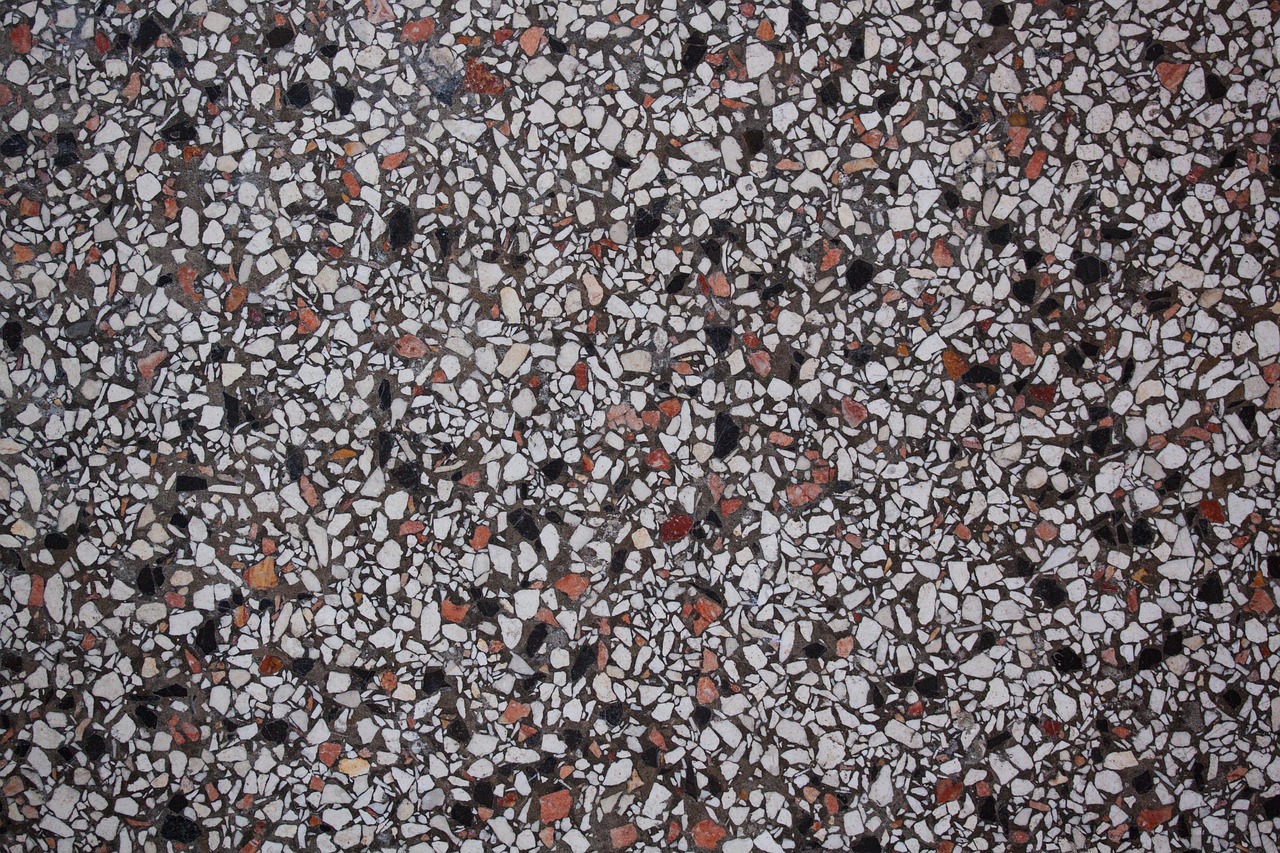
- Flake broadcast for color, texture and grip.
- Polyaspartic topcoat that seals the flakes and resists UV, stains and wear.
Every layer depends on the one beneath it, which is why prep takes as much care as the coating itself.
When It’s Time to Coat the Garage
You might consider a coating when you see:
- Oil and fluid stains from vehicles and equipment.
- Dust from bare concrete that coats everything in the garage.
- Cracks and pitting across the slab.
- A failing DIY coating with bare patches in the tire paths.
- Efflorescence, a white, powdery residue that shows moisture moving through the slab.
Why Garage Floors Break Down in Edinburg
- Heat. Hot tires and high garage temperatures soften weak coatings.
- Sunlight. Garages left open for airflow let in UV that yellows standard epoxy.
- Ground moisture. Slab-on-grade concrete can draw vapor up from wet soil after heavy rains.
- Daily wear. Trucks, tools, lawn equipment and workshop use grind away bare concrete.
A coating designed for these conditions lasts much longer than a quick paint-on product.
How the Installation Works
- Clear the floor. We confirm what needs to be moved before the project day.
- Inspect and test. We check moisture, temperature, cracks and old coatings.
- Grind and repair. The surface is opened up, and damage is filled and smoothed.
- Prime if needed. A moisture-mitigating primer goes down when readings call for it.
- Base coat and flakes. Applied while the base is wet, in the coverage you choose.
- Topcoat. Excess flakes are scraped off, and the clear polyaspartic seal is rolled on.
- Cure. We’ll tell you when the floor can take foot traffic and when it’s ready for the car.
In summer heat, work is scheduled for the cooler parts of the day, and materials are mixed in smaller batches so they can be applied evenly.
Pricing Factors for Garage Floors
- Square footage, plus curbs and the entry step.
- Concrete condition, including cracks, pits and stains.
- Removal of old coatings or paint.
- Moisture readings and the need for a special primer.
- Flake coverage and the type of topcoat.
- How much needs to be moved out of the garage.
Since every slab is different, the price comes in writing after we’ve seen yours, and the visit costs nothing.
Recoat or Remove?
If your garage already has a professional coating that’s well bonded but worn or scuffed, a light sanding and a new topcoat can bring it back.
If the coating is peeling, bubbling or flaking off, it has lost its grip on the concrete. Adding a new layer on top would fail the same way. The old coating comes off, the concrete is prepared, and a new system is installed. If you’re also thinking about finishing a converted garage or game room, see our metallic epoxy floors.
What Happens If You Leave It
Stains soak deeper the longer they sit, and cracks collect dirt and widen as the slab moves. A peeling coating keeps peeling, leaving a patchy floor that’s hard to clean. Coating the floor sooner keeps the prep simpler and protects the concrete.
Related services in Edinburg