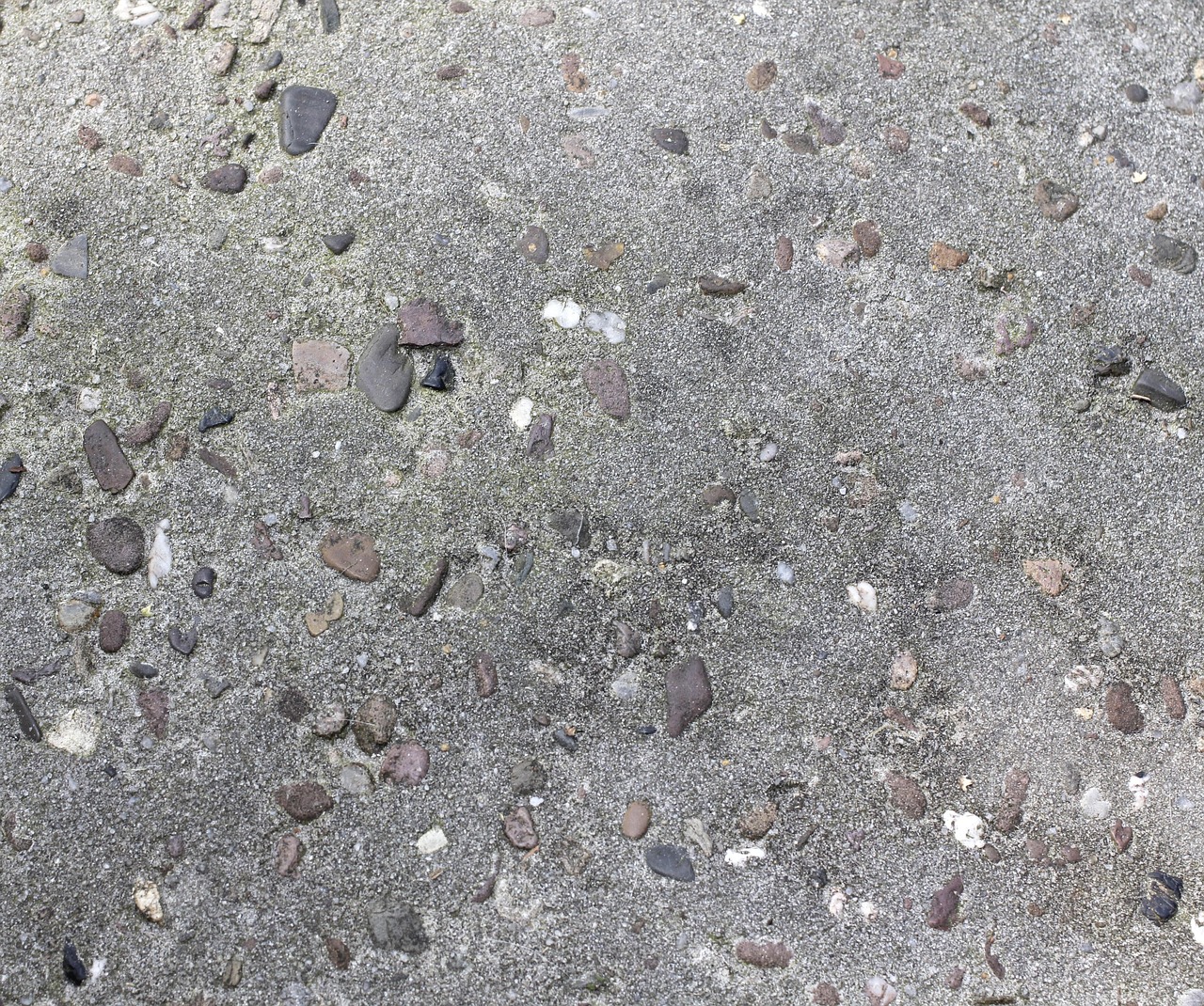
Epoxy flooring in Edinburg, TX gives concrete floors a sealed, durable finish that stands up to heat, humidity and heavy use. It’s for Edinburg homeowners with stained or dusty garage floors, converted garages and patios, and for local businesses that need a cleaner, tougher floor. We grind the concrete, test it for moisture, repair cracks and then apply a coating system suited to the space and the South Texas climate. The finished floor resists stains, is simple to clean and keeps its finished look for years.
Floor Coating Services for Edinburg
Our work centers on three kinds of floors:
- Garage floor coating: flake systems with UV-stable topcoats that hold up to hot tires, oil and sun through an open door.
- Metallic epoxy floors: decorative, high-gloss finishes for converted garages, game rooms, offices and retail spaces.
- Commercial epoxy flooring: coatings for warehouses, auto shops, restaurants, clinics and storefronts.
We also coat patios and pool decks, install polyaspartic and solid-color systems, and handle concrete crack repair, grinding and sealing.
Valley Heat and What It Means for Coatings
Edinburg is hot for much of the year. Summer highs regularly sit in the upper 90s, and the city has recorded temperatures as high as 108°F in recent summers. A closed garage can get even hotter. That heat affects floors in several ways:
- Hot tire pickup. After a drive, tires are hot and soft. On weak or thin coatings, they grip the surface and pull it up when the car backs out.
- UV exposure. Many garages stay open during the day for airflow, letting strong sunlight reach the floor. Ordinary epoxy yellows under that light.
- Fast curing. Coatings react faster in heat, which shortens the time installers have to work them. That’s why careful scheduling and mixing matter.
Choosing a thick, well-bonded base coat and a UV-stable polyaspartic topcoat addresses all three problems.
Humidity, Rain and Slab Moisture
The Rio Grande Valley has a hot, semi-arid climate that borders on humid. Rain often comes in heavy bursts, and September is typically the wettest month. Tropical storms can bring several inches at once.
Most Edinburg homes and many businesses sit on slab-on-grade foundations. When the ground is wet, moisture can rise through the concrete as vapor. The floor may look perfectly dry, yet vapor trapped under a coating can cause:
- Blisters or bubbles in the finish.
- White haze where minerals collect.
- Peeling in patches.
We test slabs before coating. If the numbers come back high, a vapor-blocking primer becomes the first layer. Humidity in the air also matters during installation. Some epoxies develop a waxy surface film called amine blush in humid conditions, which can weaken the bond between coats. Planning the work around the weather and using the right products avoids it.
How Garages Are Used in Edinburg
Garages here often do more than hold cars. They’re workshops, laundry areas, storage rooms and places to get out of the sun. Some are converted into living space entirely. A coated floor helps in every case:
- Spills from paint, fluids and cleaning products wipe up instead of soaking in.
- Dust from bare concrete stops coating shelves and tools.
- The floor reflects light, making the space brighter.
- Cleaning takes a broom, a mop and a few minutes.
For converted rooms, a metallic or solid-color system gives a finished look without adding height the way tile or wood might.
What a Project Looks Like
- Call or send the form. Share what the space is and how you use it.
- Free visit. We check the concrete, test moisture and temperature, measure and show samples.
- Written quote. You’ll see the coating build, how the slab gets prepped and the curing schedule.
- Prep. The slab is ground, cracks and pits are repaired, and dust is removed.
- Coating. The bonding layer goes down first, then flakes or pigment, then the clear finish.
- Cure. We give you the timeline for foot traffic, then for vehicles or furniture.
Comparing Floor Coating Quotes
Floor coatings can look alike in photos but perform very differently. Ask any installer:
- What’s the surface prep? Grinding with diamond tooling bonds far better than an acid wash.
- What products and thickness are in each coat?
- Is the topcoat UV-stable? Important for garages and patios in Edinburg.
- Will the slab be tested for moisture?
- How do you work around heat and humidity?
- What does the coating manufacturer cover, and what are the conditions?
Get the answers in writing so you’re comparing the same scope of work.
Patios and Outdoor Concrete
Covered patios, porches and pool decks see sun, rain and foot traffic. Outdoor coatings need to stay cool enough underfoot, slip-resistant and color-stable. Lighter colors reflect more heat, and textured finishes add grip near water. Not every product is meant for outdoor use, so outdoor systems are chosen with sunlight and drainage in mind.
Signs Your Concrete Is Telling You Something
Bare concrete often shows problems before they get serious. A few things to watch for in Edinburg homes:
- White, powdery residue on the slab, called efflorescence, which means water has been moving through the concrete and leaving minerals behind.
- Dark patches that come and go after rain, another sign of moisture rising from the ground.
- Hairline cracks that slowly widen, often from the slab shifting slightly as the soil beneath it goes through wet and dry spells.
- Dusting, where the surface wears into a fine powder under shoes and tires.
- A peeling DIY coating, usually a sign of weak prep or moisture underneath.
None of these rule out a coating. They simply tell us what the prep and primer need to address. We’ll point them out during the visit and explain how each one will be handled.
Caring for a Coated Floor in the Valley
Upkeep is simple. Sweep or dust mop to keep grit from scratching the topcoat, and mop with plain water or a gentle cleaner. Rinse off any lawn fertilizer or pool chemicals tracked into the garage, since those can stain if left for a long time. On patios, a periodic wash removes pollen, leaves and dust. Put mats or plywood under kickstands, jack stands and heavy equipment. With that basic care, a well-built floor keeps its color and shine through many Valley summers.
Areas We Serve
We coat floors across Edinburg, from homes near downtown and the Hidalgo County Courthouse to neighborhoods around the UTRGV campus and newer subdivisions across the city. Call us, and we’ll set up a time to look at your concrete.