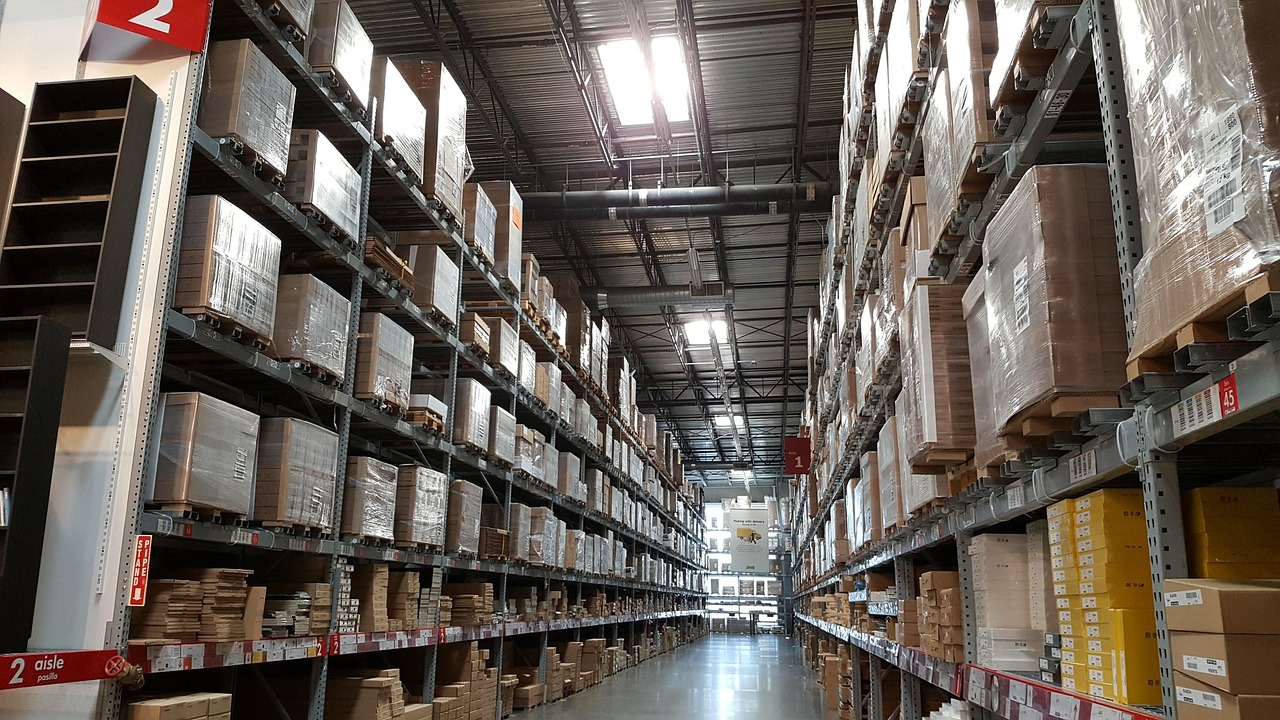
Commercial epoxy flooring in Edinburg, TX gives a business a seamless floor that stands up to wheels, spills and daily scrubbing. We coat floors for Edinburg warehouses, distribution buildings, auto repair shops, restaurants, medical and dental offices, gyms and retail stores. Each job opens with a walk-through so we understand the traffic, the chemicals and the schedule, and the coating is chosen to match. You end up with a floor that’s tough, easy to clean and ready for inspections and customers alike.
Matching the Coating to the Business
Different businesses need very different floors. Here’s how the options usually line up:
| Space | Typical system |
|---|---|
| Warehouse or storage | High-build epoxy with striped lanes |
| Auto shop or service bay | Epoxy base with a chemical-resistant topcoat |
| Restaurant kitchen | Urethane cement with texture and cove base |
| Restroom or locker room | Flake or quartz with a textured topcoat |
| Storefront, salon or showroom | Metallic or solid-color decorative finish |
| Clinic or office | Solid-color or flake, with cove base for cleaning |
These are starting points. The walk-through tells us what your floor actually faces.
Signs Your Commercial Floor Is Due
- Concrete dust keeps landing on stock and equipment.
- Dark traffic lanes have worn through an older coating.
- Oil, grease or chemical stains won’t come out.
- Staff or customers slip near sinks, entries or dish stations.
- An inspection or audit flagged the floor.
- You’re moving in, expanding or remodeling.
What Breaks Down a Business Floor
Every commercial slab in Edinburg deals with some mix of these:
- Forklifts, pallet jacks and carts that grind at the surface all day.
- Motor oil, brake fluid, cleaners and solvents in shops and maintenance rooms.
- Hot water and steam in kitchens, which stress coatings with rapid temperature swings.
- Vapor from the ground, since most buildings here sit on slab-on-grade concrete.
- Sand and grit carried in from parking lots and loading docks.
- Floor scrubbers and strong cleaners used every day.
A floor built for the specific stresses lasts. A generic coating usually doesn’t.
Our Process for Commercial Work
- Site walk-through. We look at the slab, ask how the space runs, and test moisture and contamination.
- Proposal. You get the scope in writing: coating build, prep method, zones and the order of work.
- Surface prep. Grinding or shot blasting, plus repairs to cracks, spalls and broken joints. Oil-soaked spots are cleaned or treated.
- Coating. Primer, body coats and topcoat, followed by striping and cove base where planned.
- Handover. We tell you zone by zone when people, then equipment, can return.
Factors That Shape the Price
- Total area and how many zones the work is split into.
- Existing floor: tile, adhesive or an old coating that has to come off.
- Concrete repairs and oil or chemical contamination.
- Coating type and thickness.
- Extras like cove base, striping, drains and expansion joints.
- Night or weekend scheduling.
- Moisture in the slab and any treatment it needs.
Once we’ve seen the building, you’ll receive a quote that breaks the project into its phases. That makes budgeting and planning around your hours far simpler, and it gives you a clear basis for comparing bids.
Footing in Wet and Greasy Areas
A glossy floor in a dish room is an accident waiting to happen. For kitchens, restrooms, entries and wash bays, aggregate is mixed or broadcast into the topcoat to give real grip. The amount varies by zone. A front-of-house area can stay smoother and easier to mop, while a fry station gets aggressive texture. Bright striping around hazards adds another layer of protection for staff.
Keeping the Floor Clean
A sealed commercial floor is built to be cleaned hard and often. Daily care is usually a dust mop plus a wet mop or an auto scrubber running a neutral cleaner. Kitchens with cove base can be hosed toward the drains and squeegeed. Walk-off mats at the doors catch much of the grit before it spreads. We’ll leave you with cleaning guidance for your specific system, including products to avoid.
Refresh the Top or Start Over?
A floor whose coating is still firmly attached but scuffed and dull can usually be abraded and given a new topcoat, which takes less time and disrupts less of the business.
If the coating is lifting, chipped down to concrete in many places or softening from chemicals, it has to come off. Putting new material over a failing layer only delays the next failure. Homeowners who want this kind of toughness at home can look at our garage floor coating page.
The Risk of Putting It Off
Damaged areas grow. Wheels catch on chipped edges and tear off more, fluids reach the bare concrete and soak in, and dust comes back. Every month adds work to the eventual fix. Scheduling the work while most of the coating is still intact keeps the job smaller and the closure shorter.
Related services in Edinburg